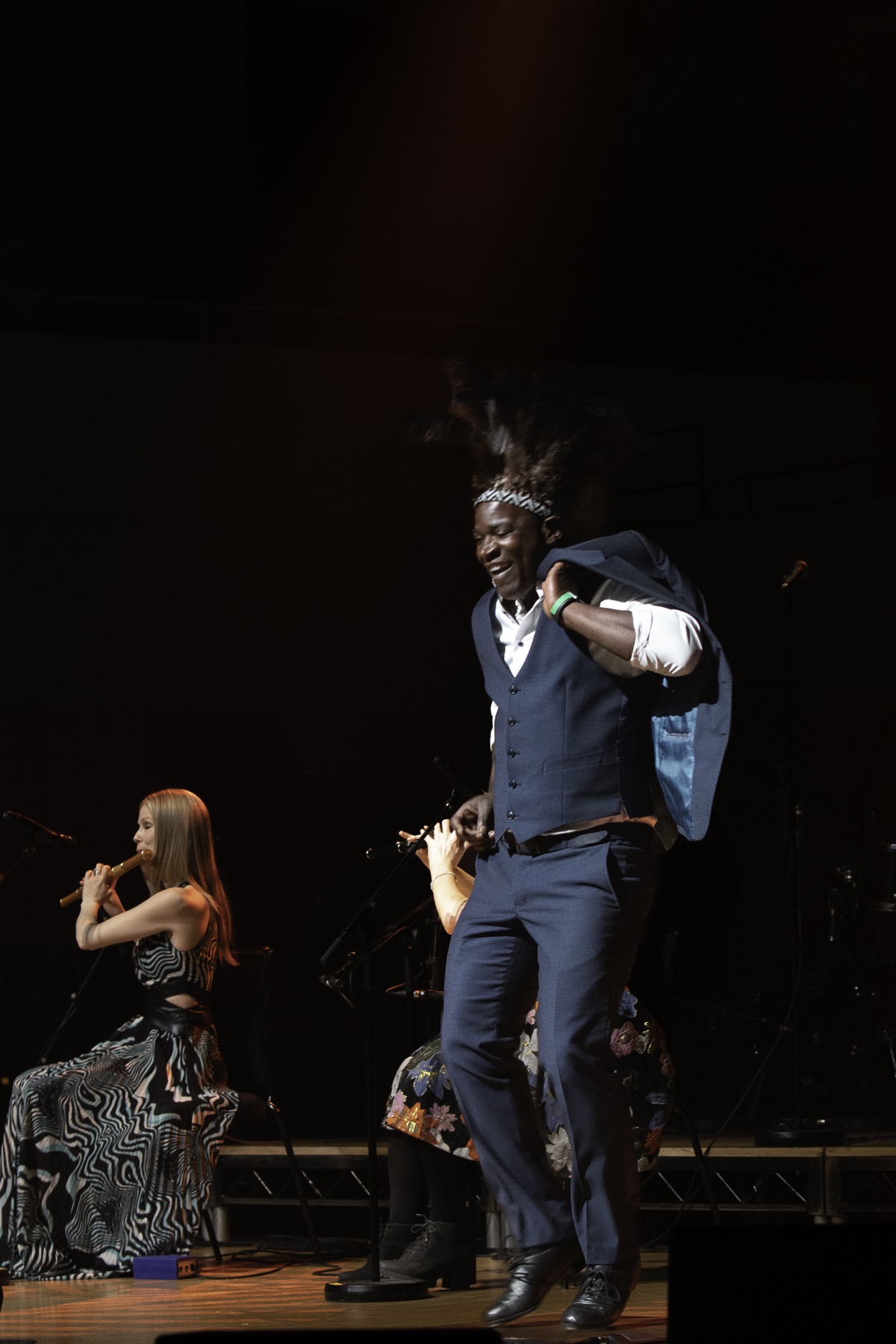
The concert hall
On stage with trad musicians — dance as percussion at the heart of the band.
Sean-nós dancer · Gaeilgeoir · Cultural worker
Cuthbert "Tura" Arutura was born in Chitungwiza, Zimbabwe, and has been at home in Belfast since 1993. He learned the language of the place, then the songs, then the steps — and became one of Ireland's most distinctive cultural voices.
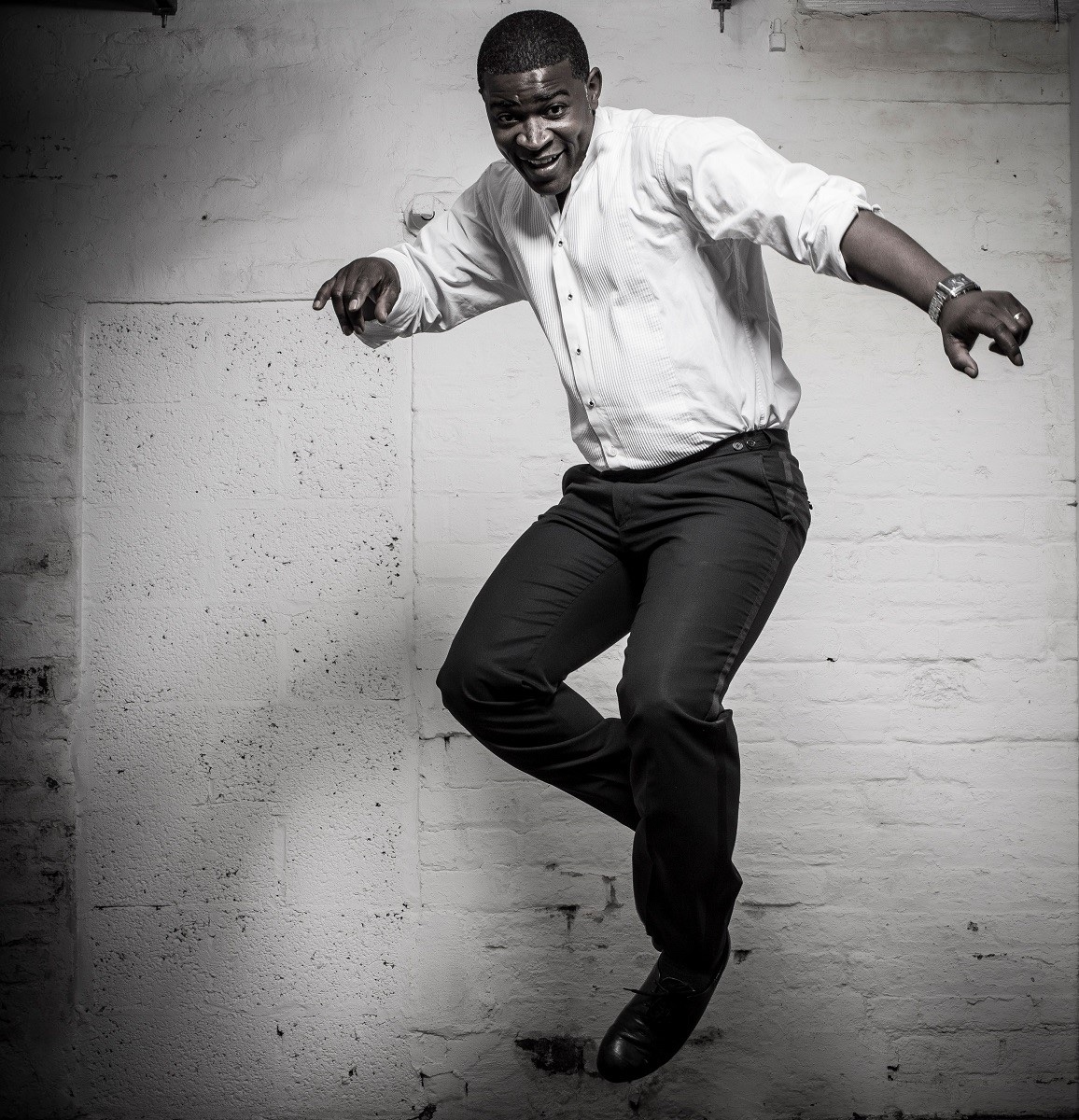
He could have stayed at the edge of the room. Instead he walked in — and learned the language, then the songs, then the steps. Not crossover. Not fusion as gimmick. One life, danced in two traditions.
Tír gan teanga, tír gan anam — a country without a language is a country without a soul. It's a line Tura sings to his students, in an Irish he crossed a continent to learn. In the rhythm of sean-nós he found a pulse the soles of his feet already knew — Ireland and southern Africa, he says, have been in conversation far longer than the maps admit.
Chapter 01 — Chitungwiza
Tura grew up in Chitungwiza, Zimbabwe — a place of song and movement, of mbira and drum, of community gathered in sound. Shona was his first language; rhythm was the second. Long before Ireland, his feet already understood that dance is how a community speaks.
Traditional Shona music and dance as daily life, not performance.
At eight, visiting Irish filmmakers gave him "Ireland for Beginners". The seed took root early.
At nineteen he crossed a continent — and brought the rhythm with him.
Chapter 02 — Belfast, 1993
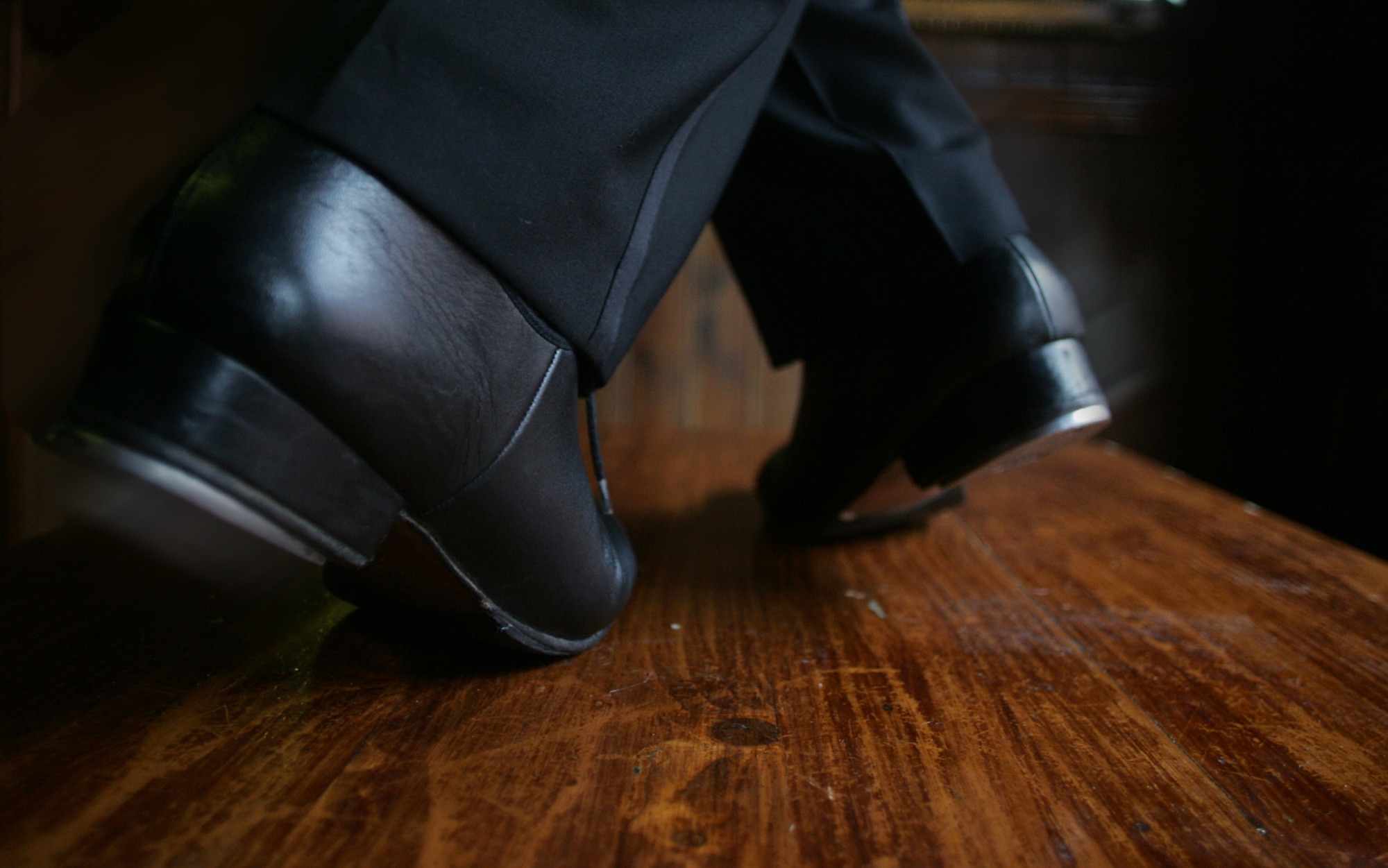
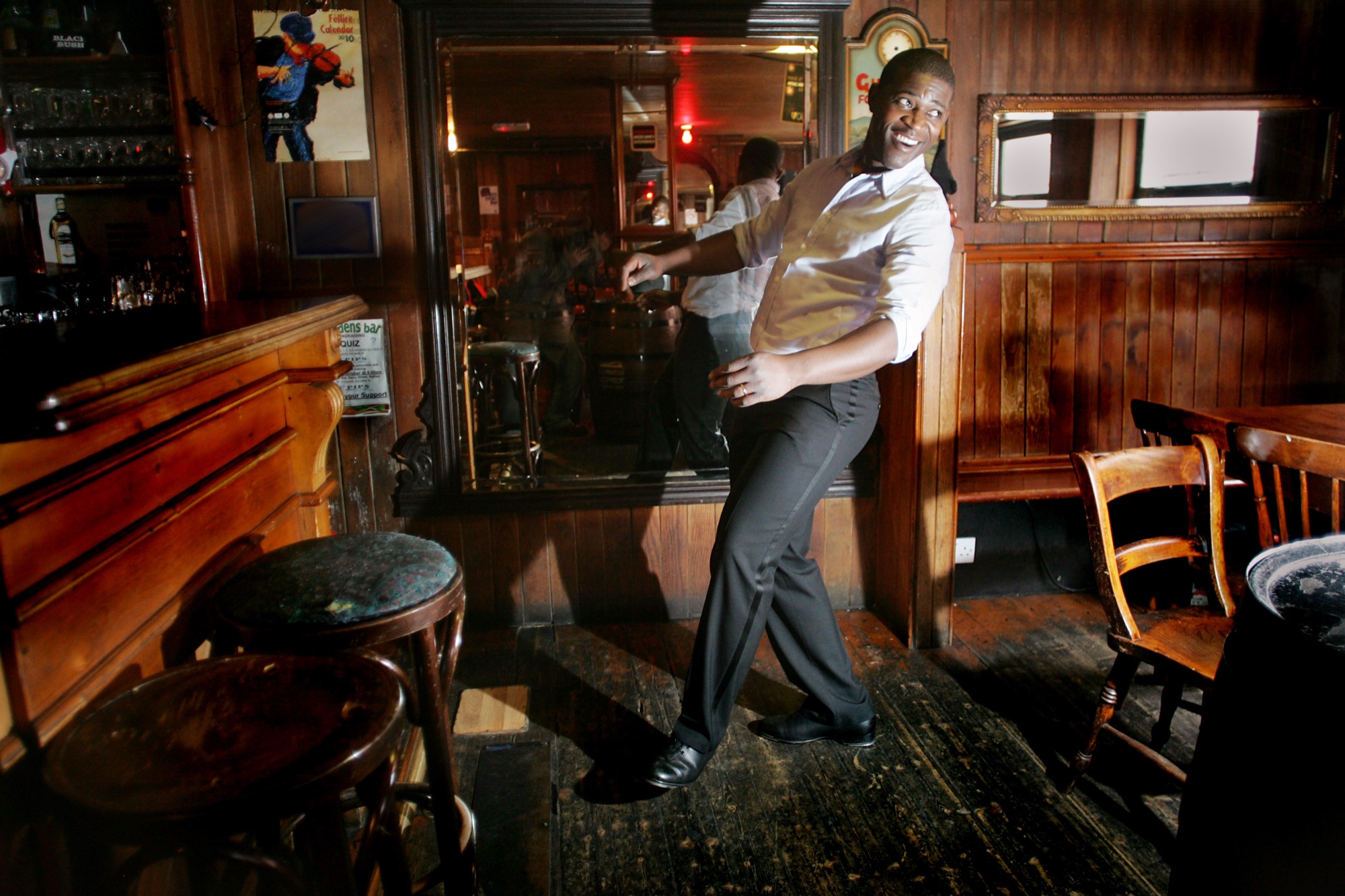
He arrived in Belfast at nineteen, to an aunt already in the city, and took the name Tura from his own surname. Then he did the thing almost nobody expects of a newcomer: he learned Irish — properly, to fluency — in West Belfast. And in the sessions where the tradition lives, he found sean-nós: old-style step dance, close to the floor, close to the music.
Learned at Cultúrlann and Ionad Uíbh Eachach — a Gaeilgeoir by choice, later an Irish citizen and Irish-language campaigner.
Drawn, in his words, to the rawness and naturalness of the dance — learned in sessions, danced on pub floors.
Percussive feet, live music, community in a circle — Zimbabwe knew this too.
Sean-nós is the mother and father of all dances in Ireland.
— Tura Arutura
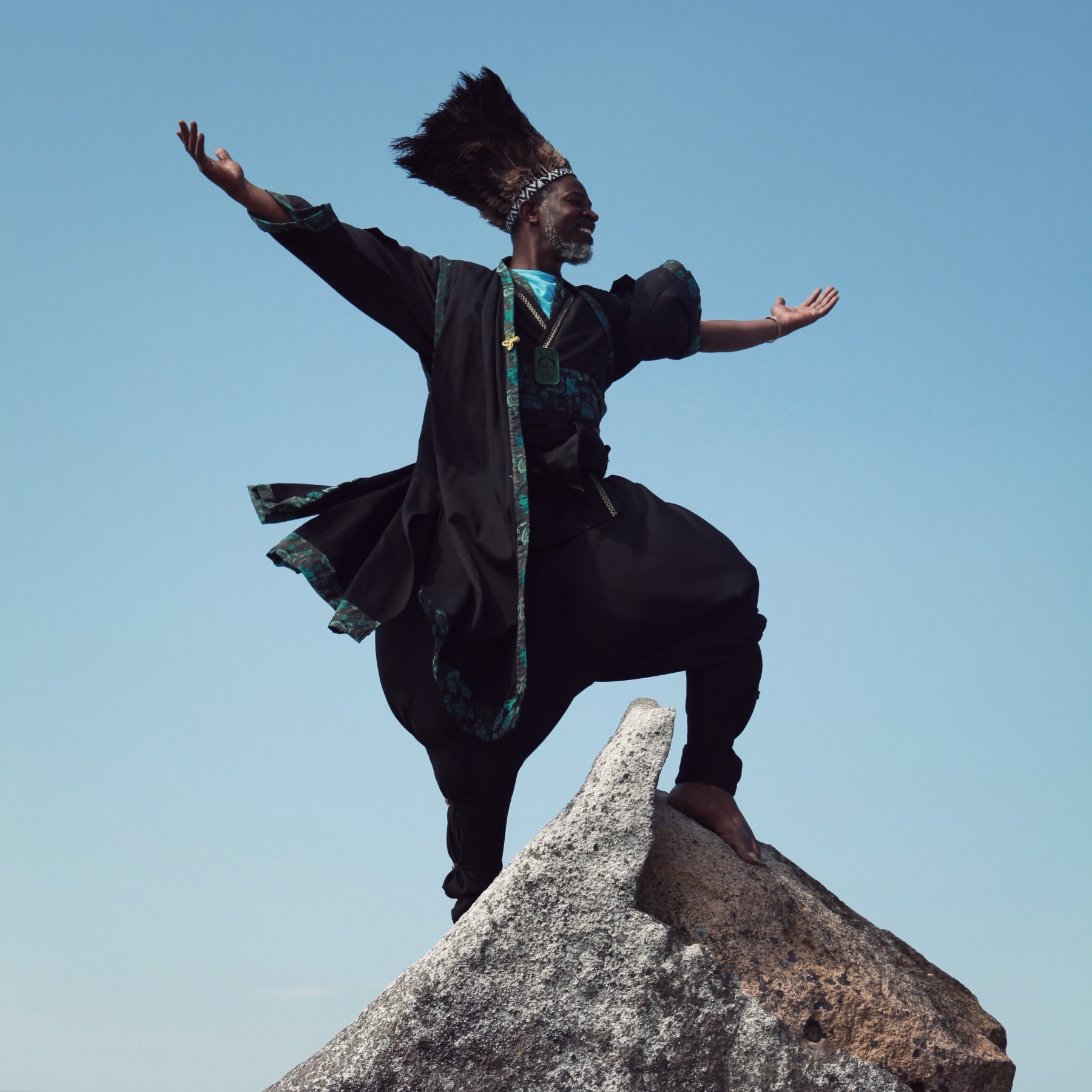
Chapter 03 — Croke Park, 25 August 2018
In the opening sequence of the Festival of Families — the centrepiece of the World Meeting of Families — Tura danced sean-nós in Croke Park before Pope Francis and a crowd of some 80,000. A Zimbabwean Gaeilgeoir, carrying Ireland's oldest dance onto its biggest stage.
Organisers saw him speak about his Irish citizenship — and asked him to dance.
Danced alongside Connemara sean-nós dancer Emma O'Sullivan, in ceremonial dress, broadcast worldwide.
Proof, at scale, that the tradition belongs to everyone who honours it.
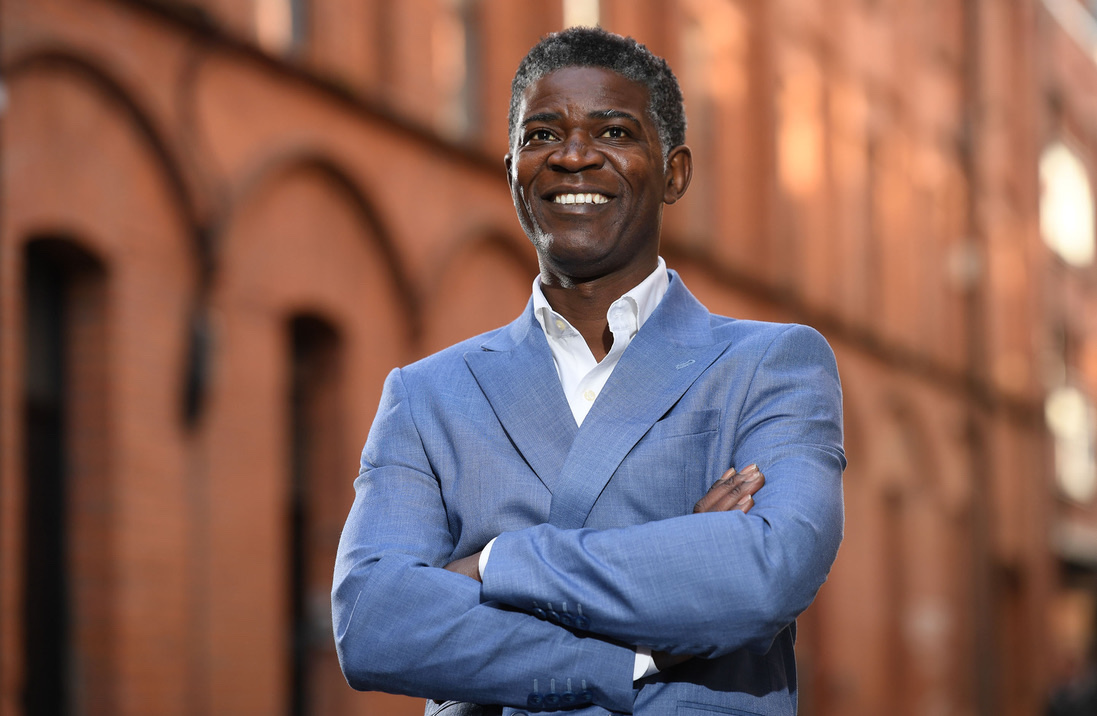
Chapter 04 — Standing up, speaking out
In June 2020, Tura addressed Belfast's Black Lives Matter rally at Custom House Square — a stand that brought police questioning, and then complete vindication when prosecutors confirmed there was no case to answer. He has spent the years since building the rooms where belonging actually happens.
Executive Director of the Belfast charity supporting people of African descent across the North.
A driving force behind the collective launched in 2022 to put African creativity at the centre of Northern Ireland's cultural life.
A director of Forward South Partnership, and a consultant whose inclusion work lands in the day-to-day.
In motion
On stage with trad musicians — dance as percussion at the heart of the band.
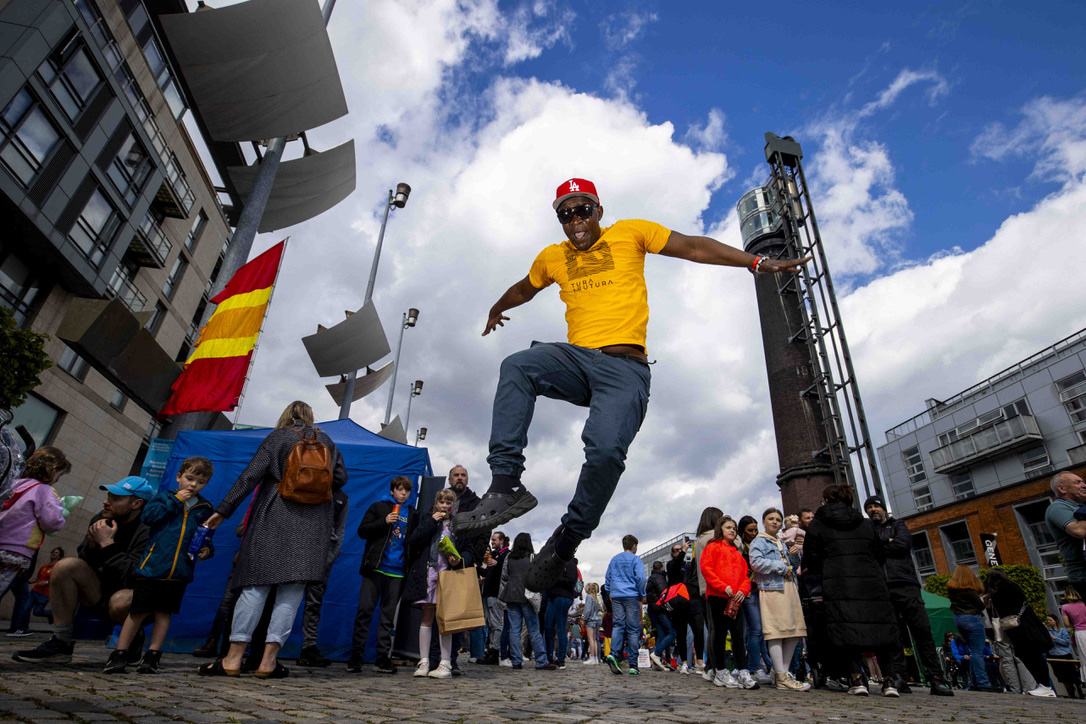
Festival days and public squares — the tradition carried out to meet people.
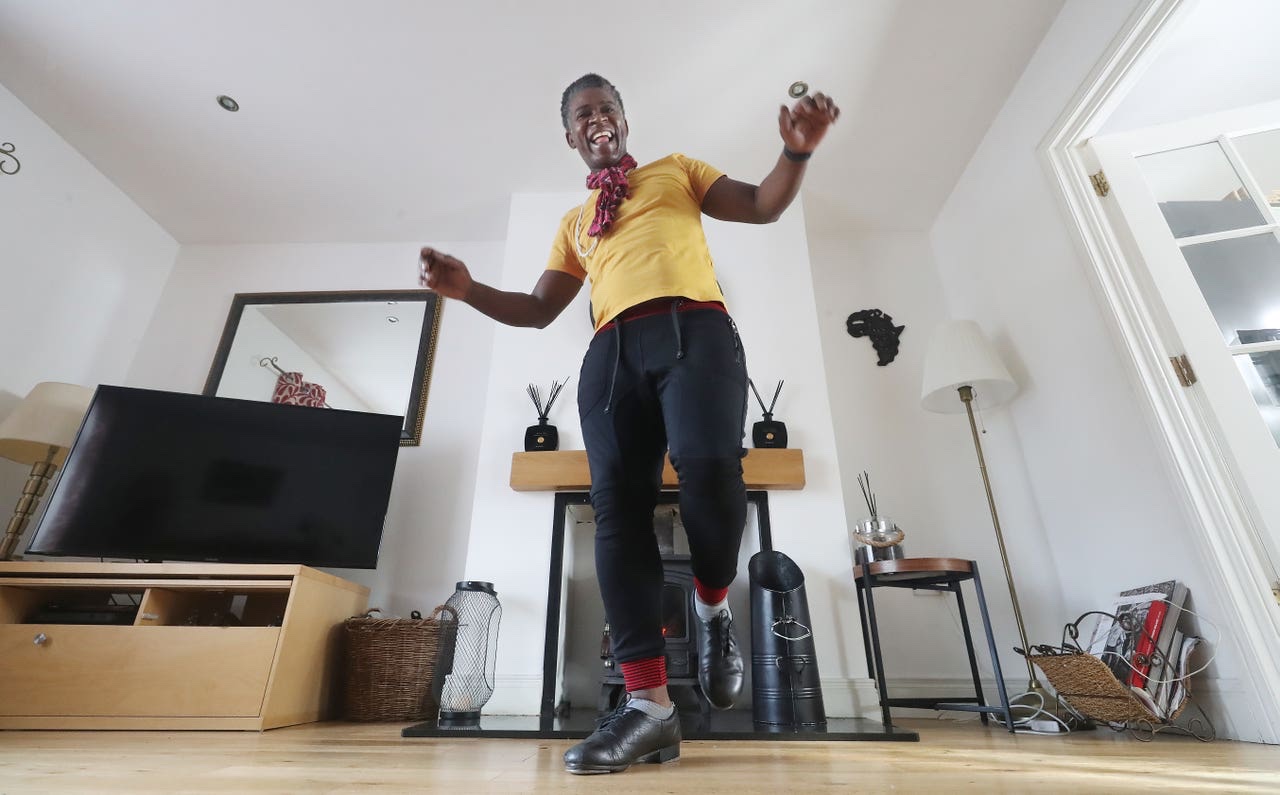
When lockdown closed the halls, his online classes carried the steps worldwide.
The journey
Tura arrives from Zimbabwe at nineteen and begins the work of belonging — starting with the Irish language, learned in West Belfast.
His community dance and music company — hundreds of performances, workshops and school programmes over three decades.
The Irish-language documentary that introduces the dancing Gaeilgeoir from Chitungwiza to the nation.
With Carrie Grant, teaches the people of Strabane to swing dance and brings the town's old dancehall back to life for one night.
Dances in the opening of the Festival of Families before Pope Francis and some 80,000 people at the World Meeting of Families.
Addresses Belfast's Black Lives Matter rally at Custom House Square; joins Africa House NI. Lockdown online classes carry his sean-nós teaching around the world.
Helps launch the collective giving African artists in Northern Ireland one shared, louder voice.
Billed as one of Ireland's master sean-nós dancers at Celtic Knot in Waterford; leads iSteip — using AI and AR to preserve and teach the old style, with Future Screens NI and Queen's.
Opens St Patrick's Festival's AfroCeltic celebration in Dublin, then launches the Tura Arutura ecosystem in Belfast: five brands carrying the practice into music, dance, learning and rights.
The practice
Damhsa ar an sean-nós — old-style step, close to the floor, close to the music. Workshops that get bodies moving in their first session.
Irish through voice, breath and story — bilingual spaces for people who think they can't sing, who leave proven wrong.
Energetic, welcoming sessions rooted in southern African rhythm — adapted for all ages and access needs.
One-to-one mentoring and inclusion consultancy for organisations that want belonging to land in the everyday.
Screen & sound
A TG4 film, a BBC series, an EP that puts Irish and African musicians in one room, and a body of conversations about language, identity and becoming.
The Irish-language film about the sean-nós dancer from Zimbabwe.
Reviving Strabane's dancehall days, one swing class at a time.
AfriCeltic music, released into the ecosystem through Tura Music.
Dancer, choreographer, musician, Gaeilgeoir — the full conversation.
The ecosystem
Everything in the ecosystem grows out of the life on this page — the music, the dance, the teaching, the rights and the studio that holds the step itself.
The parent brand — the man, the mission, the movement.
AfriCeltic composition, production and scores.
Performance and choreography — sean-nós meets African rhythm.
The home of step — the platform for learning the dance.
Learning rooted in culture — workshops, schools and programmes.
IP, rights and licensing for the AfriCeltic catalogue.
Tosaímis — let's begin
Workshops, performances, talks, mentoring, press — tell us what you're planning and we'll come back within two working days.